

Our Services
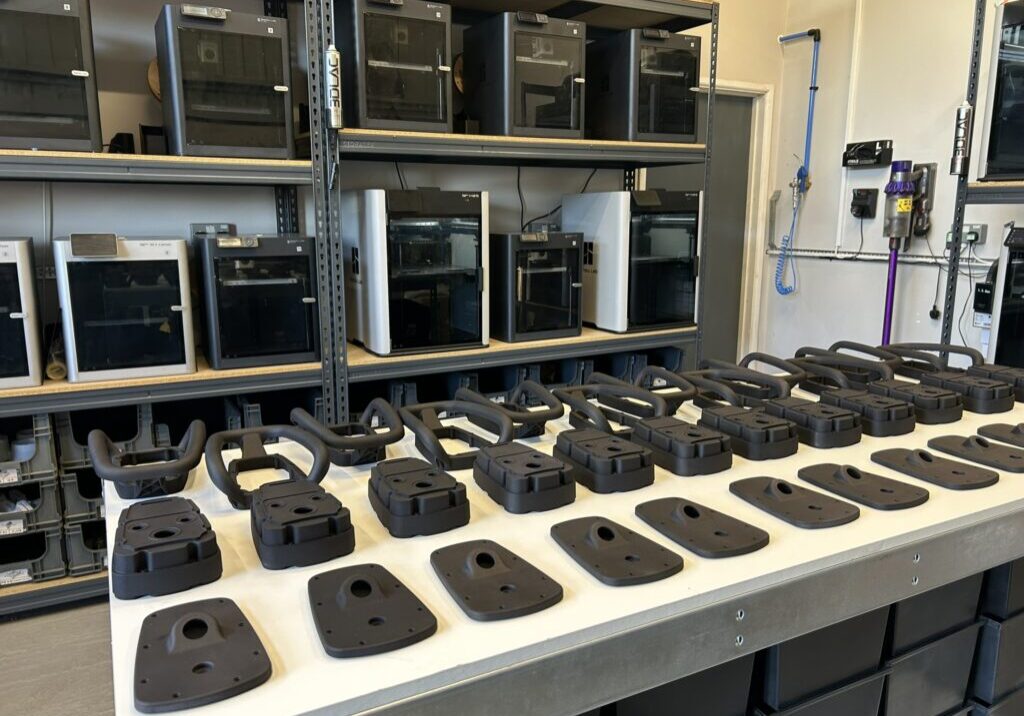
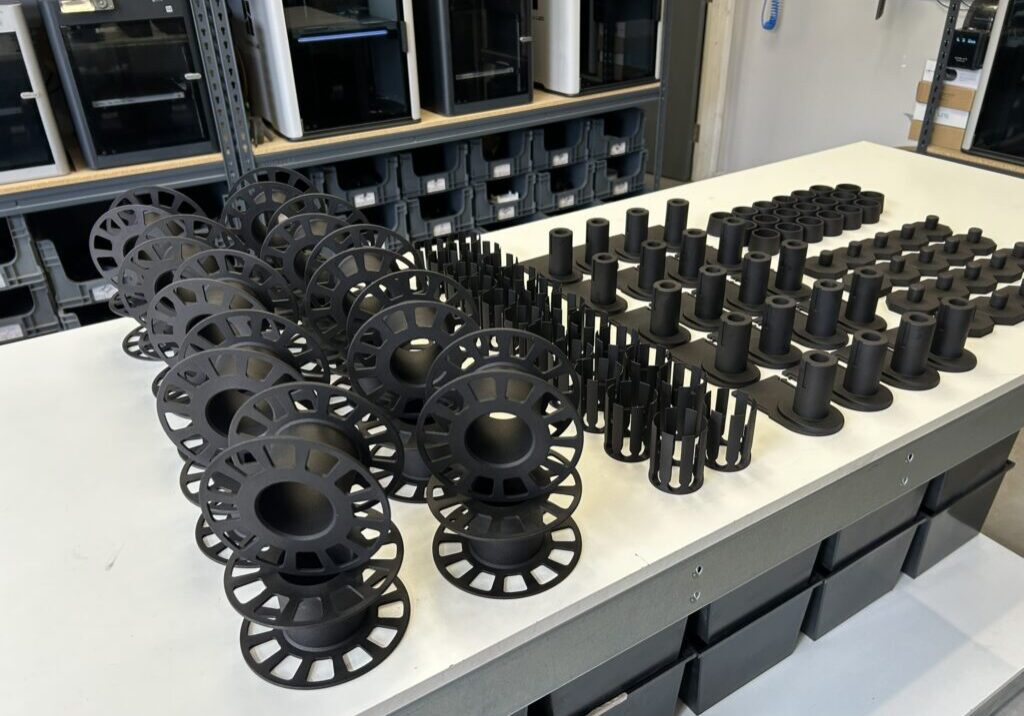
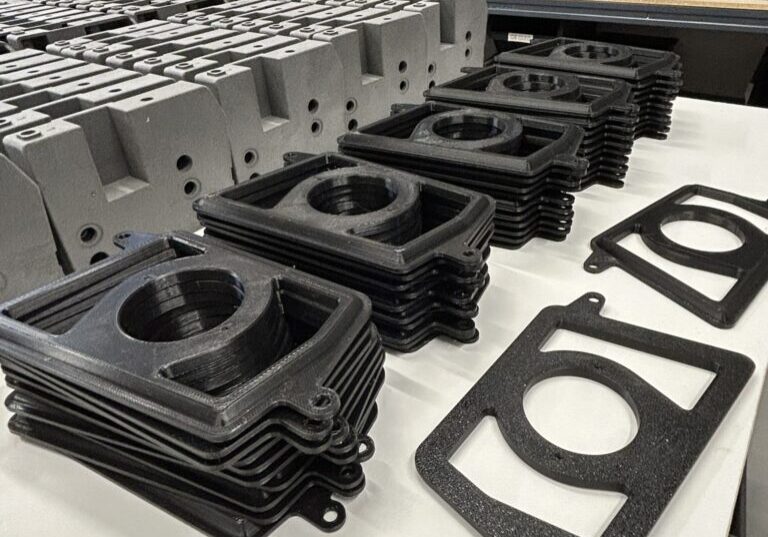
Experienced engineers specialising in additive manufacturing
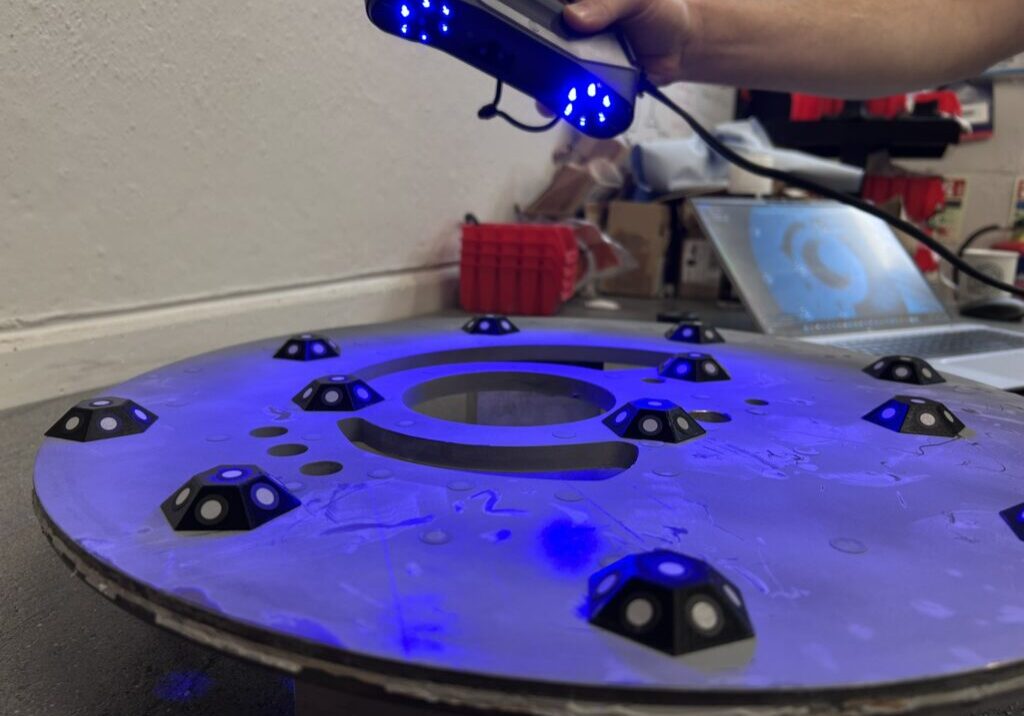
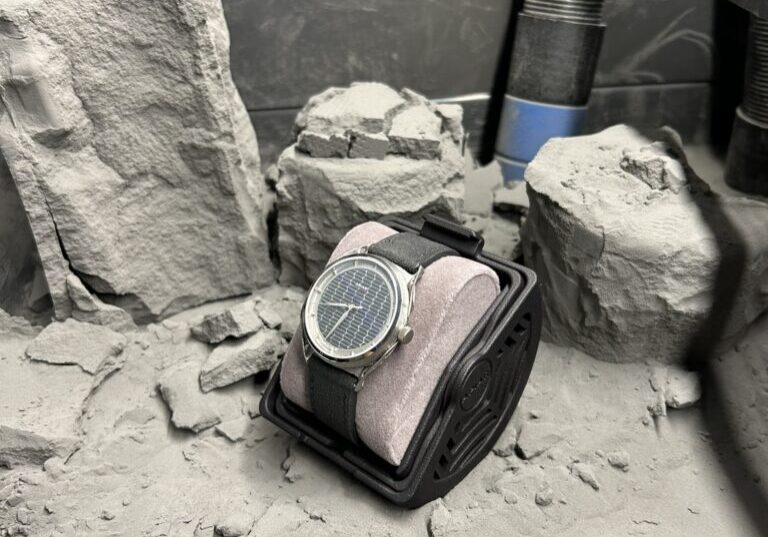
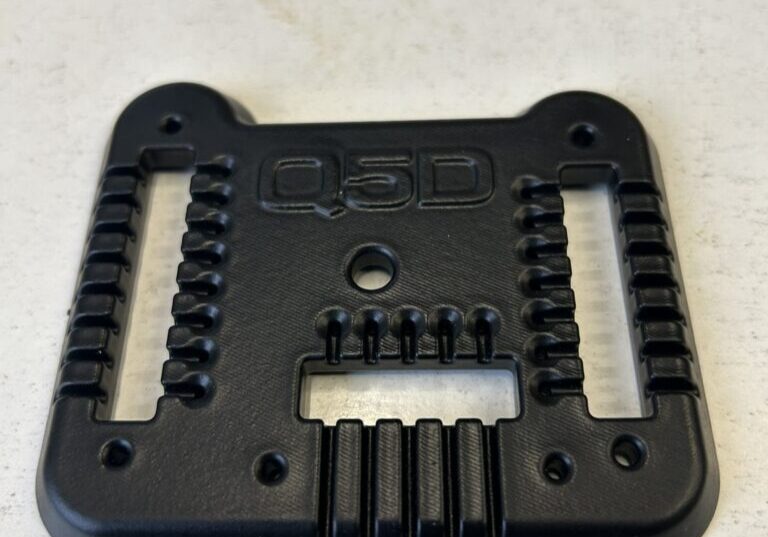
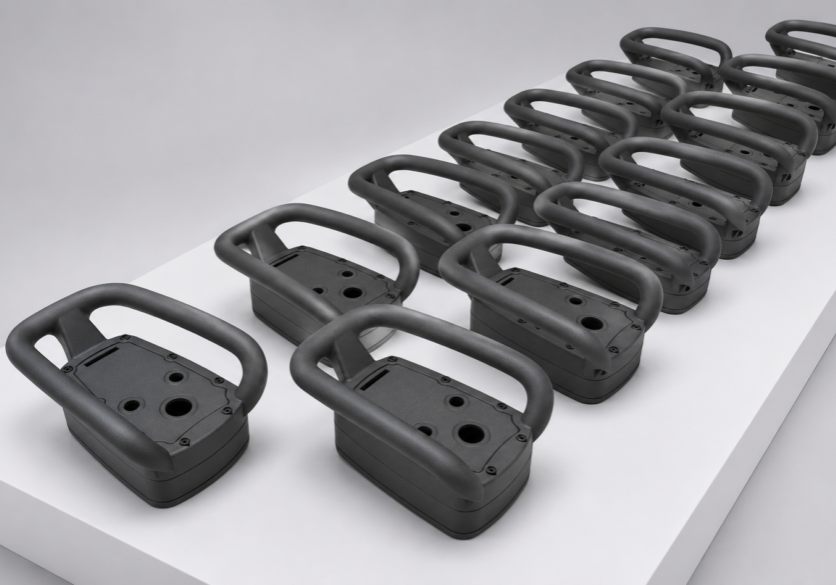
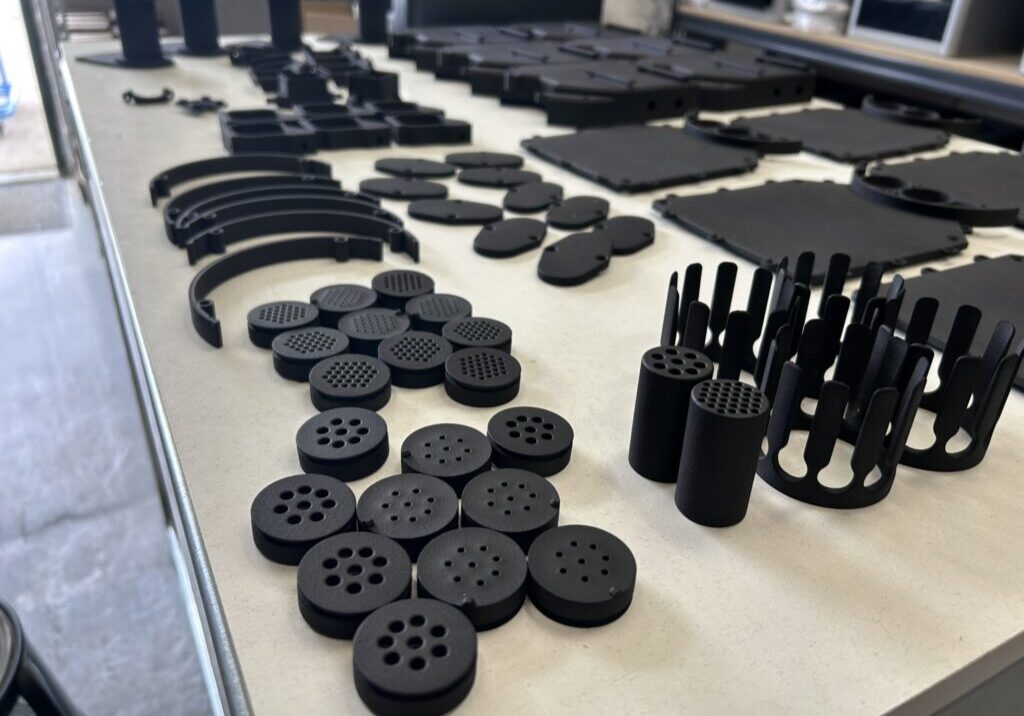
With years of collective experience, our dedicated engineers are passionate about pushing the boundaries of what's possible in the realm of 3D printing. From rapid prototyping to functional end-use parts, we have the knowledge and skills to deliver exceptional results tailored to your unique requirements.
Our Technologies
Fused Deposition Modelling (FDM) Printing
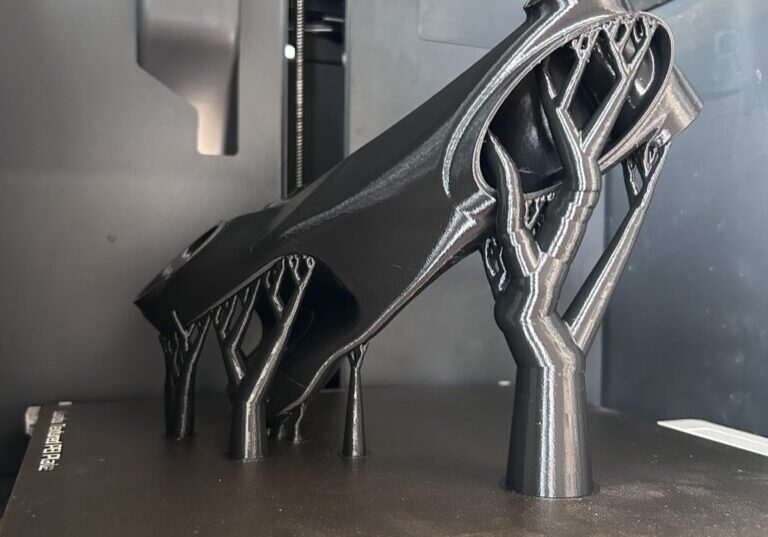
Fused Deposition Modelling (FDM) printing is a popular additive manufacturing technology that works by extruding thermoplastic filament layer by layer to create three-dimensional objects. In FDM printing, a spool of filament is fed through a heated nozzle, where it melts and is deposited onto a build platform in a precise pattern determined by a computer-controlled mechanism. As each layer is deposited and solidifies, the build platform moves incrementally, gradually building up the object from the bottom up.
FDM printing offers versatility in material options, including ABS, PLA, PETG, and more, making it suitable for a wide range of applications across industries such as prototyping, product development, and manufacturing. This process is known for its affordability, speed, and ability to produce functional prototypes and end-use parts with high accuracy and detail.


Selective Laser Sintering (SLS) Printing
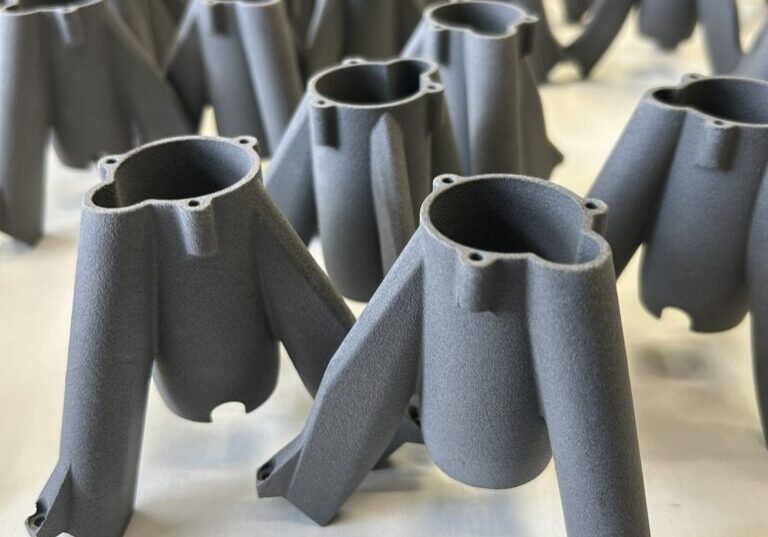
Selective Laser Sintering (SLS) printing is an additive manufacturing process that utilizes a high-powered laser to selectively fuse powdered materials, typically nylon or other thermoplastics, into a three-dimensional object layer by layer. Unlike Fused Deposition Modeling (FDM) where material is extruded, SLS printing does not require support structures as the surrounding powder acts as a support during printing.
The process begins with a thin layer of powdered material spread evenly across the build platform. A laser then selectively sinters or melts the powdered material according to the 3D model's cross-section, solidifying it into a desired shape. Once a layer is completed, the build platform is lowered, and a new layer of powder is spread over the previous one. This process is repeated until the entire object is formed. SLS printing offers high precision, intricate detail, and the ability to produce complex geometries, making it suitable for various applications in industries such as aerospace, automotive, and medical. Additionally, SLS printing allows for the production of functional, end-use parts with excellent mechanical properties and material durability.


Stereolithography (SLA) Printing
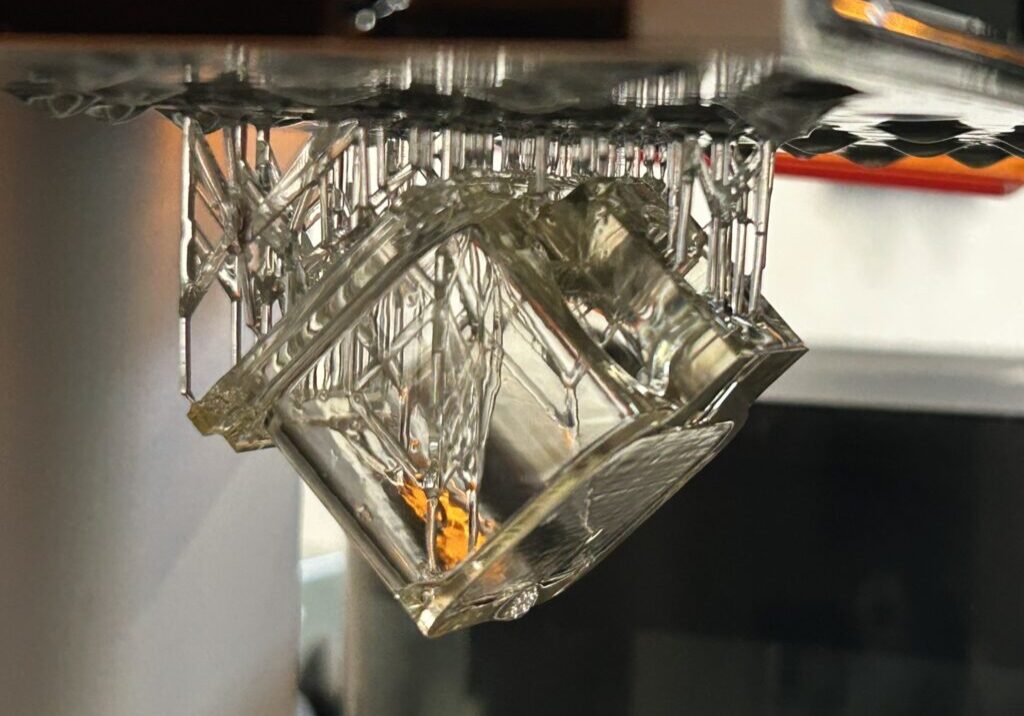
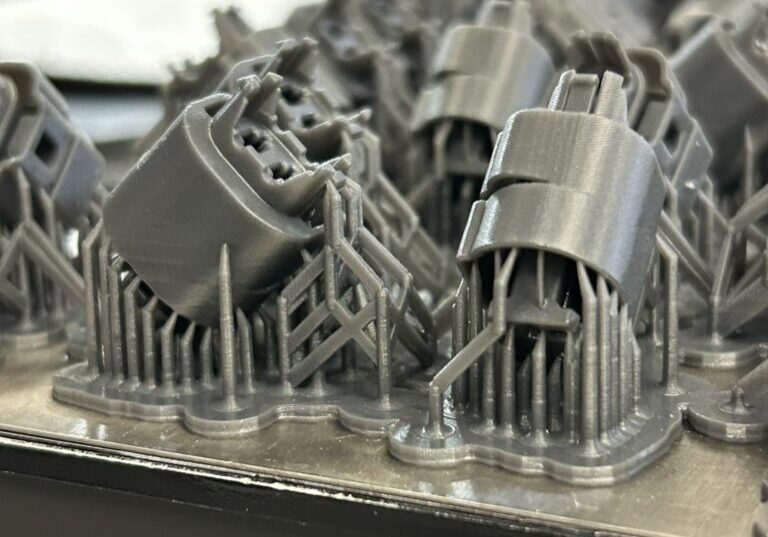
Stereolithography (SLA) printing is an additive manufacturing process that utilizes a liquid photopolymer resin cured by a UV laser to create three-dimensional objects. In SLA printing, a build platform is submerged in a tank filled with liquid resin. A UV laser selectively irradiates the resin, causing it to solidify and form thin layers according to the cross-sections of the 3D model. As each layer is cured, the build platform moves incrementally, gradually building up the object from the bottom up. Once the printing is complete, the object is removed from the resin tank and rinsed in a solvent to remove any excess resin.
SLA printing offers high resolution, fine detail, and smooth surface finish, making it ideal for producing highly detailed prototypes, intricate models, and functional parts with complex geometries. This process is widely used in industries such as engineering, healthcare, jewelry, and automotive for rapid prototyping, product development, and manufacturing applications.


We make it simple to grow your production scale and speed
We understand the challenges of scaling up production while maintaining efficiency and quality. So we've developed a range of tools and services designed to facilitate seamless expansion.